

.png)
"Soma #3", 2024, United Kingdom, by Eleanor Lakelin
Updated: Feb 18
Eleanor Lakelin is a Welsh sculptor who transforms rare woods into forms that reflect time, growth, and memory. In her London studio, she blends traditional craftsmanship with an intuitive, patient process that follows the natural character of each piece. Her sculptures are held in major public collections including the Victoria & Albert Museum in London, the Museum of Arts and Design in New York and the National Museum of Norway in Oslo.
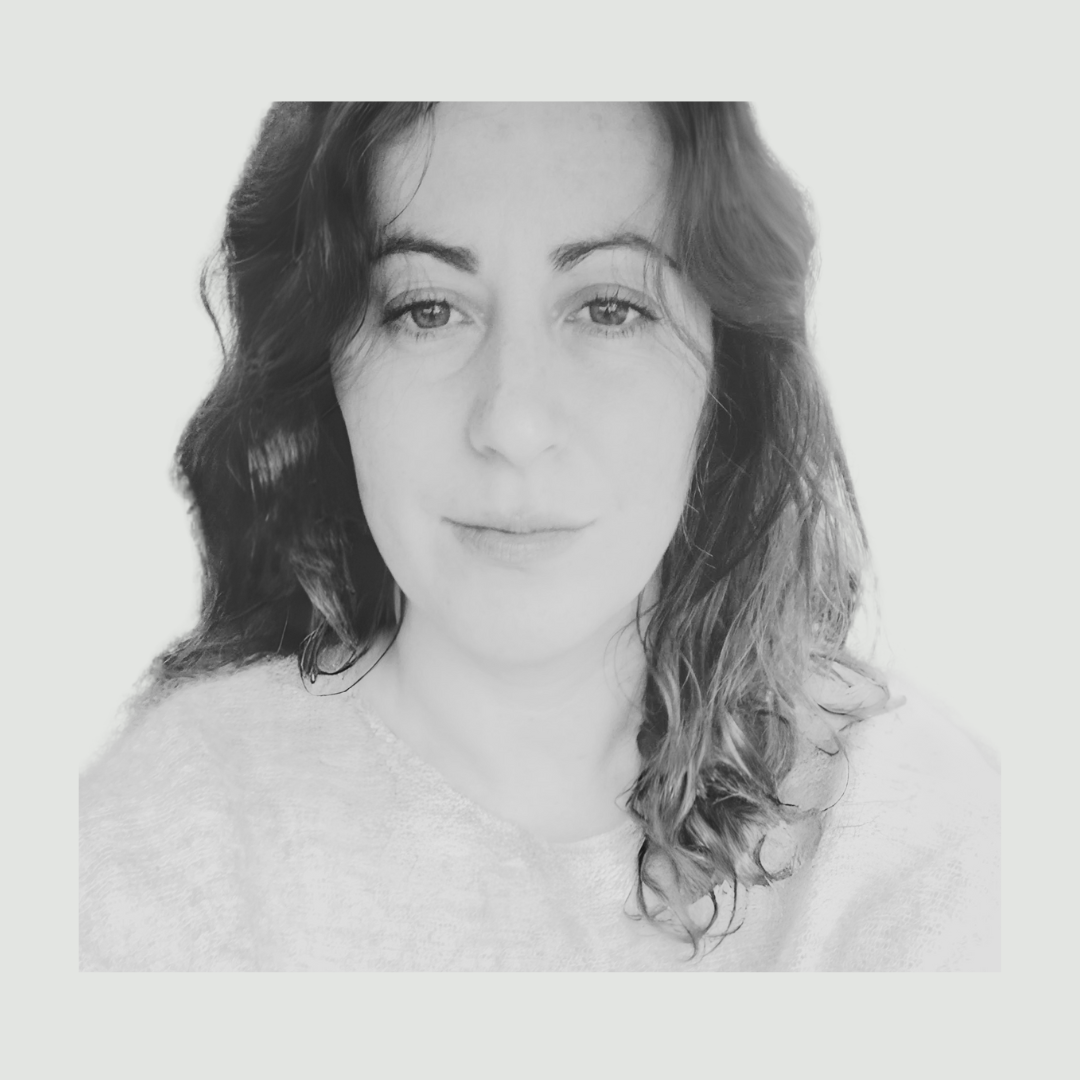
"Soma #3", 2025, United Kingdom, by Eleanor Lakelin - Credit Evan Mason Eleanor Lakelin in her studio - Credit Evan Mason
Left: Soma #3", 2024 - Right: Eleanor Lakelin in her studio © Evan Mason
“Soma #3 belongs to a series I have been developing for several years, yet it also marked a turning point. It was the first vessel in which I felt the form move closer to the body. My work has always circled around time, cycles of growth, erosion, entropy, and renewal. I am interested in materials that resist decay and, in resisting, become something else. That transformation, that slow negotiation between matter and time, is the real subject of the piece.
I have worked with the vessel form for many years because it feels inseparable from human expression. Across cultures and centuries, vessels have held water, ashes, offerings, and memories. They contain life and accompany death. I like that they allow a dialogue across time and space, across civilizations and materials. The vessel is both an archetype and a container of meaning. With Soma #3, I wanted that ancient familiarity to meet something unruly and organic.
The work is made from burr wood. A burr is a growth that forms on a tree when it is stressed, perhaps by disease, an insect beneath the bark, or even a nail hammered into it. In response, the tree sends out countless tiny shoots that never become branches. Instead, they form a dense, swirling mass, an explosion of potential growth. I am fascinated by that instinct for survival. A burr feels alive in a way that is almost human. It is warm, it carries the biography of the tree in its fibers, and if you understand the material, you can reveal that history through form.
When I first began working with burl, it felt like discovering a new language. Unlike straight grain wood, burl does not follow predictable lines. Its growth is circular, chaotic, full of hidden turns. You do not really know what you have until you begin removing the bark, and even then you must proceed slowly. If you strip it too early, cavities appear and the structure collapses. So the process becomes a kind of dance over months, carving a little, pausing, looking, listening. It is almost like drawing through subtraction. Each gesture must leave space for something unexpected to emerge.
I often start with a loose idea of form, sometimes sketched in chalk on the studio floor, but I never want a fixed plan. The material has to speak back. It is very easy to miss something, a hidden curve or a buried branch, if you impose a rigid design. I prefer to allow accidents, discoveries, and interruptions. In that sense, nature and I collaborate. I might choose three fragments from a single tree and build the sculpture from them, letting one compelling texture or contour guide the others. The finished piece is both found and made.
There is always a moment in the process when the work shifts. At first it is simply matter. Then it becomes material I am shaping. Finally, if I am lucky, it becomes a medium, something capable of meaning more than itself. That transition is subtle but unmistakable. It is the instant when the object begins to hold a presence.
After carving, the sculpture must rest for months to dry. Only then can I refine it and remove the bark with delicate tools, jewellers’ instruments, hairpins, anything fine enough to follow the twisting paths beneath the surface. I leave the walls thick so that the interior and exterior create a deep sculptural space between them, a zone where void and mass interact. Once assembled and cleaned, the piece is burned. The charring fixes the surface, but it also reveals it. The black is never uniform. It contains countless tonal shifts, traces of fungi, bacteria, and seasons, the entire life of the tree inscribed in texture. Burning does not erase history. It illuminates it.
In Soma #3, I was thinking about two dimensions of time. One is human time, our long cultural search for harmony, proportion, and classical poise. The other is geological or organic time, the vast duration of natural processes. I wanted those two temporalities to collapse into one experience. The familiar outline of a vessel passes through the anarchy of burl growth so that memory and wildness coexist.
The sculpture stands almost at my height, which is important. I like meeting it face to face. At that scale, it feels less like an object and more like a presence, almost a character. When several of these pieces were in my studio together, I sometimes felt, closing the door at night, that they might begin speaking among themselves, like actors waiting in the wings.
Perhaps that is what I seek each time I work, not just form but encounter. Something that draws you closer through texture and shadow, that pulls you into its landscape of energy. A vessel, yes, but also a being carrying its own time within it." Eleanor Lakelin, February 2026

Comments