

.png)
Reclaiming Memory: Marianne Rosenberg and the Long Road to Restitution
Updated: Feb 18
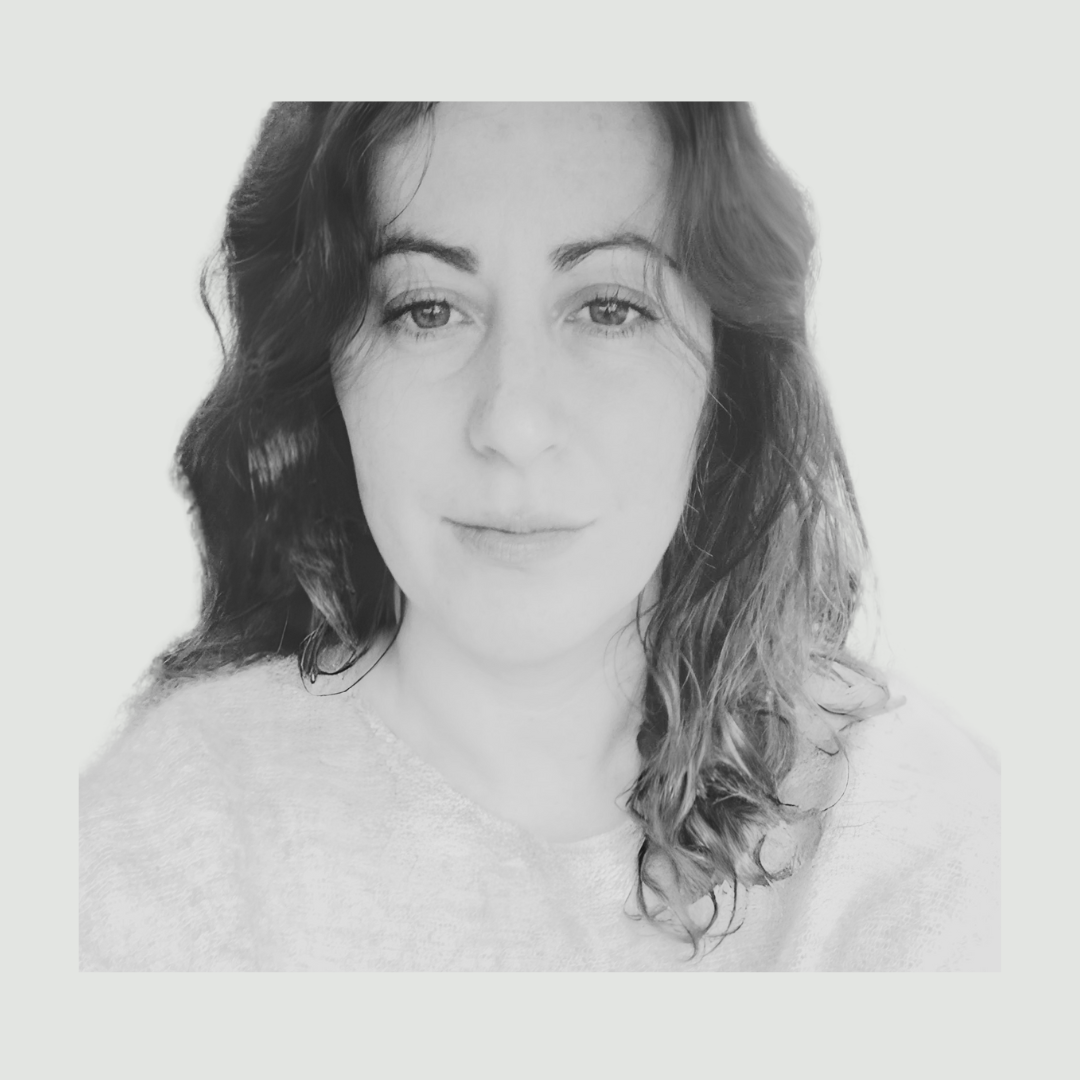
Marianne Rosenberg, gallerist and granddaughter of Paul Rosenberg, is working to reconstruct the art collection of her grandfather, Paul Rosenberg, one of the most influential and visionary art dealers of the 20th century.

From his legendary gallery at 21 rue La Boétie in Paris, Paul Rosenberg shaped the course of modern art. He held exclusive relationships with masters such as Pablo Picasso, Henri Matisse, Georges Braque, and Fernand Léger, and championed artists whose works now define museum collections worldwide. His gallery was not only a commercial space, but a hub of artistic innovation, friendship, and trust.
That world was violently shattered during World War II. As the Nazis occupied France, Paul Rosenberg’s collection—nearly 400 works, along with pieces entrusted to him by artists—was looted. Paintings were seized from his homes, from bank vaults, and from storage sites, then scattered across Europe, hidden, sold, or absorbed into public and private collections.
Decades later, Marianne Rosenberg took up the task of tracing these lost works., drawing on her grandfather’s meticulous archives—letters, photographs, shipping records, inventories—along with family memory and international databases of looted art.
Thanks to Paul Rosenberg’s extraordinary record-keeping and the perseverance of the Rosenberg family, more than 300 of the 400 looted works have been recovered—an achievement almost unparalleled in the history of art restitution. Among the recovered masterpieces are Matisse’s Woman Seated in an Armchair, discovered in the Munich apartment of Cornelius Gurlitt (and now at the National Gallery of Art in DC), and Woman in a Blue Dress in Front of a Fireplace, returned in 2014 by the Henie Onstad Art Center in Norway.
Yet some works remain painfully out of reach.

One of the most elusive is Edgar Degas’s pastel Portrait of Mlle. Gabrielle Diot—a work of particular importance to Paul Rosenberg, which once hung in his study. Despite decades of investigation, the family has been repeatedly thwarted in its efforts to recover it, even though the identity of a dealer who has attempted to sell the work is known. Legal obstacles, conflicting national laws, and the lack of enforceable international restitution mechanisms continue to block its return.
Through her work, Marianne sheds light not only on the fate of individual artworks, but on the broader mechanisms of spoliation, exile, and survival that marked the art world during the Occupation. Each rediscovered painting becomes a witness—of artistic brilliance, but also of loss, injustice, and resilience.
Her research plays a vital role in contemporary debates around restitution, ethics, and responsibility in museums and the art market. By restoring names, histories, and contexts to these works, Marianne Rosenberg contributes to a more honest and transparent understanding of modern art history.
Ultimately, her work is not only about reclaiming a family collection. It is about restoring memory, confronting unresolved injustices, and ensuring that what was stolen is neither forgotten nor quietly absorbed into history.


Comments